RCD Safety Switch Testing
- Competitive Pricing
- Full Reporting
- Peace of Mind
- 100% Satisfaction Guarantee

RCD Testing?
RCD Testing is the process of inspecting and testing Residual Current Devices (safety switches) to confirm they respond correctly during an electrical fault. RCDs are an important line of defence against electrical hazards and power surges. They monitor the balance of electrical currents within a circuit and instantly disconnect the power if they detect dangerous activity. Routine RCD Testing verifies that your safety switches are reliable and compliant with AS/NZS 3760:2022 and New Zealand’s electrical safety requirements. Without accurate testing, an RCD may trip too slowly or fail entirely, leaving your workplace vulnerable.
RCD Testing for Safety?
RCDs save lives, but only when they work properly! If they fail to respond or there is a delay in the RCD tripping, they will not provide any protection.
Regular RCD Testing helps New Zealand workplaces:
- Prevent electric shocks, burns, electrocution, and other avoidable injuries
- Reduce the risk of electrical fires, circuit failures, and damage to equipment
- Maintain compliance with NZ electrical safety regulations AS/NZS 3760:2022
- Improve overall workplace safety and provide extra protection in high-risk environments
- Avoid fines, insurance complications, and equipment downtime
Should RCDs Be Tested?
In New Zealand, RCDs require a:
- Push-Button Test: every 6 months
- Push-Button + Trip-Timing Test: every 12 months
High-risk environments may require more frequent checks.
The Local Guys will ensure that you follow a testing schedule that matches the risks attached to your specific industry, so you can maintain compliance with New Zealand workplace safety standards and AS/NZS 3760:2022.
Tagging in New Zealand?
Every business has a responsibility under NZ electrical safety regulations to ensure their electrical equipment is safe for staff, contractors, and visitors. Regular Test and Tag services help prevent shocks, burns, equipment failures, and electrical fires.
Common industries requiring Test & Tag include:
- Construction, demolition, and mining
- Warehouses, workshops, and factories
- Retail stores, hospitality, and commercial kitchens
- Schools, childcare providers, and community centres
- Corporate offices and government facilities
- Tradespeople and contractors using portable electrical appliances
Many construction sites will not allow equipment onsite without current test tags.
Frequently Asked Questions
Yes. RCD Testing is required under AS/NZS 3760:2022 and New Zealand electrical safety regulations.
RCDs operate in 3 main stages:
- Current Monitoring: RCDs constantly measure the electrical current flowing through the active and neutral conductors. This current must remain balanced.
- Detecting Imbalances: If electricity escapes through an unsafe path (faulty appliance, damaged cable, contact with water, etc.), the RCD detects the imbalance in milliseconds.
- Tripping the Circuit: As soon as a fault is detected, the RCD shuts off the power instantly to prevent shocks, burns, or electrical fires.
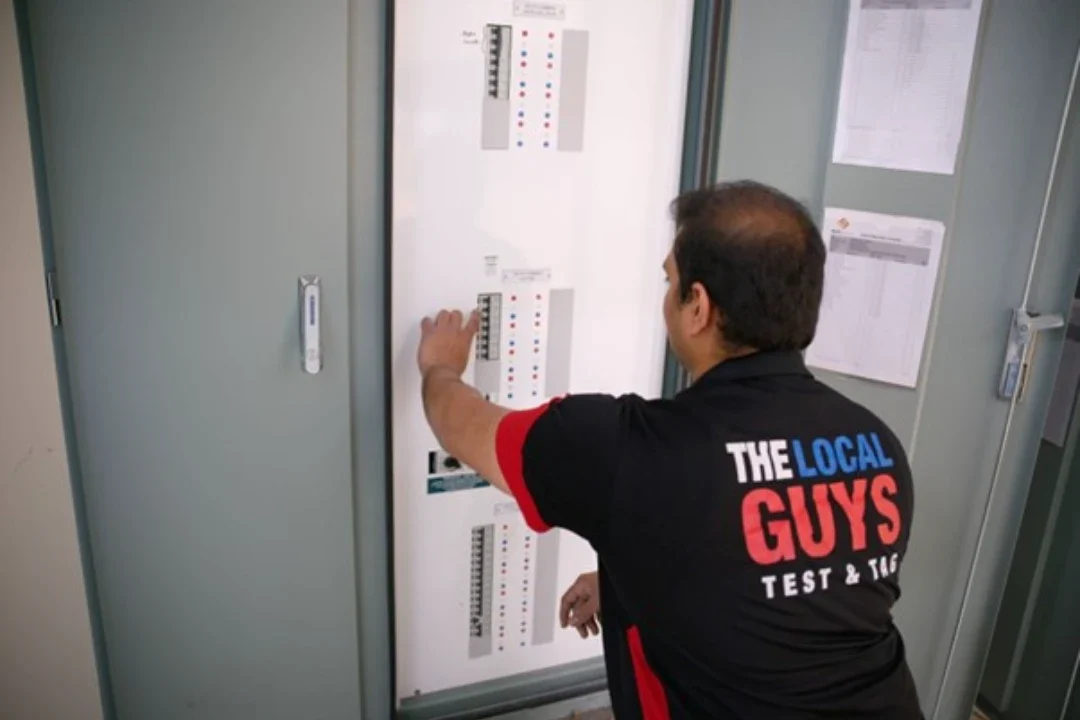
Only a trained and competent person, such as a qualified Test and Tag technician from The Local Guys, can perform RCD Testing. Otherwise, the testing will not be accepted by insurers.
No. They work together. Test and Tag checks portable electrical equipment. RCD Testing checks the safety switches protecting that equipment. You can book these comprehensive services together when you book in with The Local Guys!
RCDs can fail due to dust, moisture, age, or electrical load. Regular testing ensures they work when you need them most.
Speak to a Real Person Immediately
- Instant, personalised assistance from a friendly voice.
- Tailored recommendations based on your budget and requirements.
- Enjoy the flexibility of customising the scheduling of your electrical safety service.